Canyon side terrain
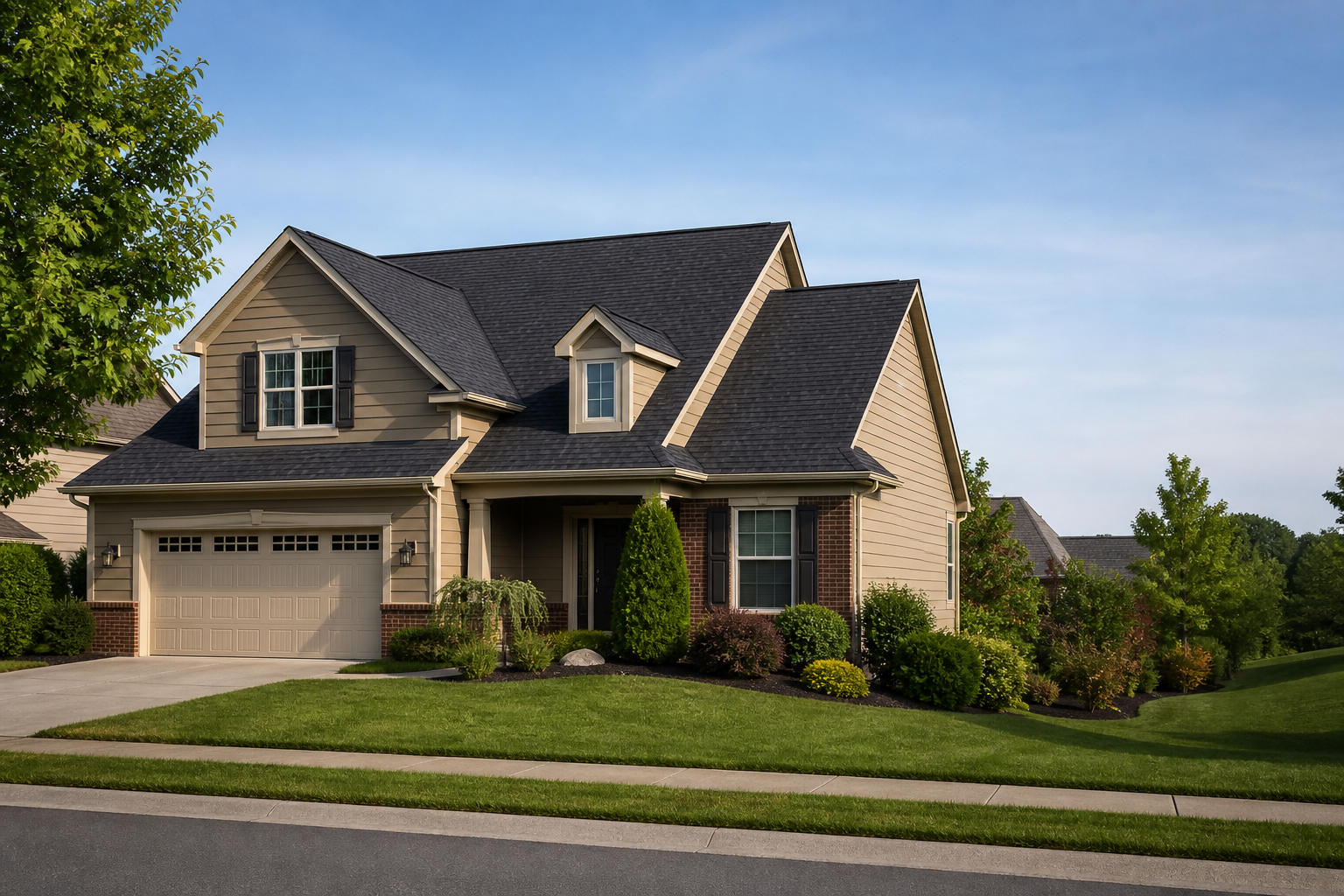
Properties near the Capilano canyon often sit on lots that drop away sharply toward the river valley, and the roofs built on that terrain frequently have complex rooflines with multiple valleys and intersecting planes to manage water from more than one direction. Those valleys are the first place we check on any repair call in this area, since they take more water volume than a straight roof plane and show wear faster.
The tree cover through this part of the North Shore, much of it mature cedar and fir close to the canyon, keeps a lot of these roofs shaded for a large part of the day, which feeds the same moss and moisture issues we see across the shadier parts of the North Shore.
Older homes and cedar roofs
A number of the homes in this area were built decades ago and still carry their original cedar roofing, and we do regular maintenance and rebuild work on that stock. Where a cedar roof near Capilano has been neglected under heavy shade, we often find rot progressing faster than the shingle surface alone would suggest, which is why we check the deck itself rather than assuming the visible shingle condition tells the whole story.
Drainage on steep, forested lots
Beyond the roof itself, drainage around the base of the house matters more on these canyon adjacent lots than on flatter properties, since water shed off a steep roof onto a steep lot needs somewhere controlled to go. We coordinate gutter and downspout placement with how the property actually drains, rather than treating the roof as a system separate from the ground it sits on.
What we check first on a Capilano roof
Given the valley density and canopy typical of this area, an inspection here usually starts with the valleys and any skylight or chimney flashing before we look at the general shingle field. Those are the points most likely to be showing a problem first, and on a roofline with several intersecting planes it is common to find more than one weak spot rather than a single isolated leak.